-10% with code FALL10

Shoe advice
The importance of the weight of a tennis shoe
It's one of the most technical and exciting debates among tennis players: should you prioritize a light shoe or a heavy shoe? Often, we hear that "the lighter, the better" among tennis shoes. In reality, weight is a direct consequence of technological choices made by brands. Understanding what the weight of a shoe means is understanding the great performance compromise.
Expert guide
Choice tips
The myth of lightness at all costs
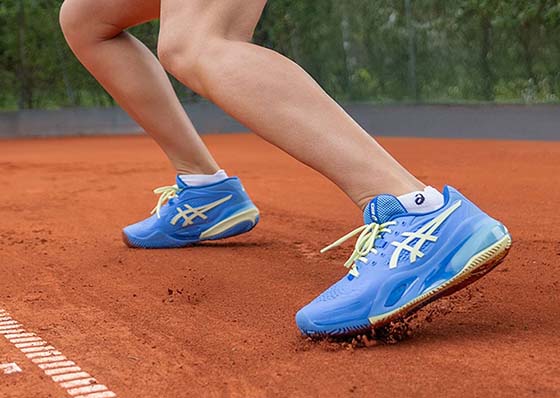
A light shoe is often associated with speed and agility. And that's true. Reduced weight promotes faster starts, sharper changes of direction, and a feeling of less fatigue at the end of the match. It's the weapon of choice for players with quick footwork and attackers.
The benefits of lightness:
- Improved top speed and acceleration.
- Less muscle fatigue over time.
- Feeling of freedom and oneness with the court.
The compromise: To achieve this featherlight weight, manufacturers must make concessions. A very light shoe generally offers less structural stability, less dense cushioning, and less durability, as it uses thinner materials and fewer reinforcements.
→ For whom? Agile and fast players. Explore models like the Asics Solution Speed or the Adidas Ubersonic.
Quiet strength: the advantages of a robust shoe
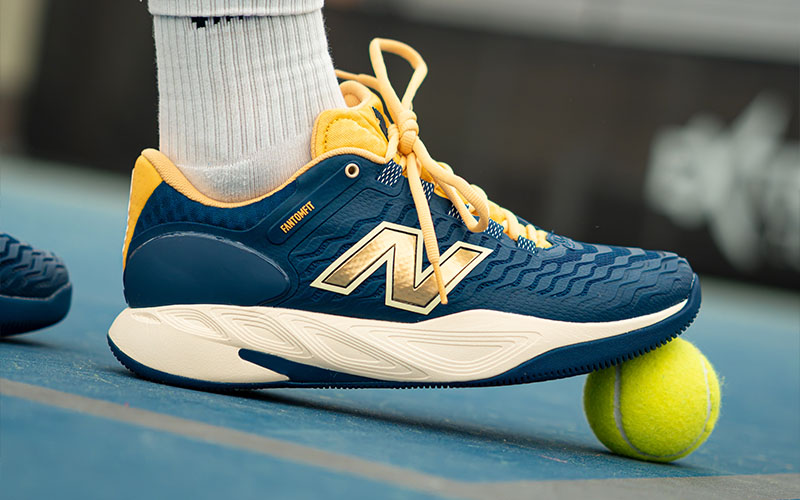
A heavier shoe is the result of added technologies aimed at maximizing stability, durability, and comfort. It's a true armor for the foot, designed to withstand the stresses of powerful baseline play.
The benefits of heaviness:
- Maximum stability for secure footwork.
- Exceptional durability to resist abrasion.
- Superior cushioning to protect joints on hard surfaces.
The compromise: This robustness comes at a cost in terms of weight. The shoe may seem less "lively" on the first steps and less flexible than a speed model.
→ For whom? Powerful players, baseline defenders, and those who prioritize security. Discover references like the Asics Gel-Resolution or the Adidas Barricade.
Weight in numbers: how to make sense of it?
On our site, we have classified shoes into four weight categories (based on a men's size 42.5) to help you use our "Shoe Weight" filter:
- Ultra-light (< 350g): The sprinters' category. For those who want a "nothing on the foot" feeling.
- Light (350g - 380g): The sweet spot for fast and agile play, with a bit more structure.
- Standard (381g - 410g): The category of versatile shoes, offering an excellent balance between support and dynamism, like the Wilson Rush Pro.
- Robust (> 410g): The category of stability tanks, designed for maximum support and durability.
Our expert's opinion: "The ideal weight doesn't exist, YOURS does."
"Let's stop believing that a shoe must be as light as possible. That's a mistake. The choice of weight depends on two things: your morphology and your playing style. A powerful 90 kg player who slides on the court will destroy a 330g shoe in a few weeks and risk injury. He needs a shoe weighing more than 410g. Conversely, an agile 65 kg player will be hindered by a shoe that is too heavy. My advice: be honest with your game. Don't choose the weight of your favorite player, choose the weight that secures and maximizes YOUR qualities."
– Jérôme, equipment expert ranked 15.
Ready to take action?
Weight is not an indicator of quality, but an indicator of philosophy. Do you want to prioritize speed or safety? Agility or durability? You now have all the keys to make an informed choice.
View tennis shoes