Ball tip

Why are tennis balls fuzzy?

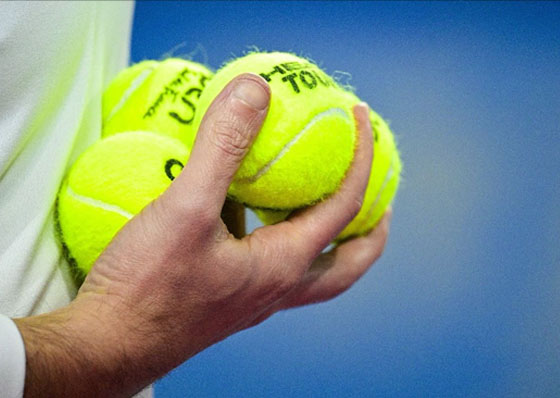
If you have ever played tennis or simply held a tennis ball, you have probably noticed that its surface is covered with a particular texture, often called "fuzz". But why do tennis balls have this unique characteristic? This coating is not just aesthetic; it plays a crucial role in the ball's performance on the court. We will explain why tennis balls are designed with this specific texture and what impact it has on the game.

Why are tennis balls fuzzy?
Expert guide Practical info
Equipment

The function of felt on tennis balls

The "nap" or felt covering tennis balls is a key element of their design. This material is generally made from a mixture of synthetic and natural fibers (such as wool and nylon), and it is applied around the ball for various reasons.

Control the ball's speed

One of the felt's main functions is to reduce the ball's speed when it is hit. Indeed, the felt creates air resistance as the ball moves, which slightly slows its progression. This resistance makes the game more manageable and prevents balls from becoming too fast, especially during powerful shots.

  • Air resistance: The felt increases friction between the ball and the air, thus reducing its travel speed.
  • Surface adaptation: On certain surfaces like clay, the felt allows the ball to "grip" the ground and produce more pronounced effects.

Stabilize the bounce

In addition to controlling speed, the felt helps stabilize the ball's bounce. Without this fuzzy layer, the bounce would be much more irregular. The felt's texture allows for a softer interaction with the racket strings and the court surface, thus providing a more predictable and controllable bounce.

  • Regular bounces: Thanks to the felt, the ball maintains a more consistent trajectory when it hits the ground.
  • Precision in rallies: This predictability improves the quality of rallies, allowing players to better anticipate the ball's trajectory.

Improve topspin

The felt also plays an important role in generating spin on the ball. When players hit the ball with spin, whether topspin or slice, the felt allows for better grip on the racket strings, thus increasing the ability to impart spin to the ball.

On a topspin shot, the ball is hit in such a way that it rotates forward. Thanks to the felt, the ball interacts more with the racket strings, allowing for better grip and increased rotation. This makes topspin more effective and gives the ball a more pronounced dipping trajectory.

  • Pronounced topspin: The felt helps reinforce the forward rotation effect, making shots harder to return.
  • Higher bounce: On surfaces like clay, balls with topspin bounce higher, making the game even more strategic.

Reduce the bounce of a slice or chop shot

In the case of a chop (or slice shot), where the ball is hit in such a way that it rotates backward, the felt also plays a crucial role. By slowing the ball down and increasing friction with the air, the felt helps maintain a lower trajectory and reduce the ball's speed, making the chop shot more difficult for the opponent to return.

Durability and longevity of tennis balls

Beyond the technical aspects related to the game, the felt on tennis balls also contributes to their durability. Balls are subjected to intense pressure during matches, particularly due to powerful strokes and playing conditions. The felt protects the ball from premature wear.

  • Protection against abrasion: The felt acts as a protective layer against abrasion from hard surfaces such as concrete or synthetic grass.
  • Extending lifespan: Although a ball eventually loses its felt after some time, this layer helps to extend its lifespan and ensure optimal performance over a longer period.

The felt covering tennis balls plays an essential role in the overall performance of the game. It helps regulate ball speed, improve spin, and stabilize bounces. In addition to this, it protects the ball from wear and extends its lifespan.

Ready to take action?

Discover our selection of products adapted to your needs.

View our tennis balls