-10% with code FALL10
 40
41 1/3
42
42 2/3
43 1/3
44
44 2/3
+3
40
41 1/3
42
42 2/3
43 1/3
44
44 2/3
+3
€210.00

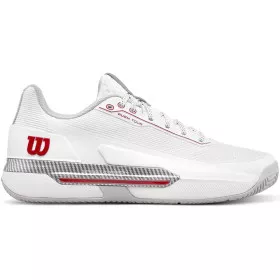
The Wilson Rush Pro is built for players who refuse to choose between lateral support and forward speed. Its principle stays the same from one generation to the next: a TPU plate stiffening the forefoot to fire up the starts, paired with a heel and midfoot stability chassis that locks the back of the foot during changes of direction.
This page gathers the whole Rush range: the Rush Pro with its clay court and junior versions, alongside its two neighbours, the Rush Tour and the Rush Lite. To place the Rush Pro against the rest of the brand's line-up, start from our Wilson tennis shoes page; to compare it with other brands, browse all our tennis shoes.
40
41 1/3
42
42 2/3
43 1/3
44
44 2/3
+3
 40
41 1/3
42
42 2/3
43 1/3
44
44 2/3
+3
40
41 1/3
42
42 2/3
43 1/3
44
44 2/3
+3
 40
41 1/3
42
42 2/3
43 1/3
44
44 2/3
+3
40
41 1/3
42
42 2/3
43 1/3
44
44 2/3
+3
 40
41 1/3
42
42 2/3
44
45 1/3
46
40
41 1/3
42
42 2/3
44
45 1/3
46
 40
42
42 2/3
43 1/3
44
44 2/3
45 1/3
46
+1
40
42
42 2/3
43 1/3
44
44 2/3
45 1/3
46
+1
 40
41 1/3
42
42 2/3
43 1/3
44
44 2/3
+3
40
41 1/3
42
42 2/3
43 1/3
44
44 2/3
+3
 42
42 2/3
43 1/3
44
44 2/3
45 1/3
46
42
42 2/3
43 1/3
44
44 2/3
45 1/3
46
 36
37 1/3
36
37 1/3
 36
36 2/3
37 1/3
38
38 2/3
39 1/3
36
36 2/3
37 1/3
38
38 2/3
39 1/3
 34 2/3
 40
41 1/3
42 2/3
43 1/3
44
44 2/3
45 1/3
+2
40
41 1/3
42 2/3
43 1/3
44
44 2/3
45 1/3
+2
 44 2/3
 42 2/3
43 1/3
44
44 2/3
45 1/3
46
42 2/3
43 1/3
44
44 2/3
45 1/3
46
 42 2/3
44
44 2/3
45 1/3
46
42 2/3
44
44 2/3
45 1/3
46
 40
44 2/3
45 1/3
46
46 2/3
40
44 2/3
45 1/3
46
46 2/3
 42 2/3
44 2/3
46
42 2/3
44 2/3
46
 42 2/3
43 1/3
44
46
42 2/3
43 1/3
44
46
 40
41 1/3
42
42 2/3
43 1/3
44 2/3
45 1/3
+2
40
41 1/3
42
42 2/3
43 1/3
44 2/3
45 1/3
+2
 44
44 2/3
45 1/3
46
44
44 2/3
45 1/3
46
 40
45 1/3
46
40
45 1/3
46
The Rush Pro has been praised across several generations for its versatility, and its architecture rests on three complementary parts. A TPU plate, which Wilson calls the Speed Plate, stiffens the forefoot and returns energy on the start. A TPU stability chassis holds the heel and the midfoot, limiting twist under lateral load. Cushioning combines a high rebound foam at the front for acceleration with a shock absorbing technology at the back.
Two more elements complete the fit: an Endofit sock construction that wraps the foot, and a dual layer mesh upper for ventilation. For durability, Wilson applies a ceramic coating over the abrasion zones, the ones that give way first on a hard court outsole.
The three models of the Rush range differ by the element housed in the midsole, and that is what drives the behaviour of the shoe. This split of roles is stable from one generation to the next:
The Rush Pro and the Rush Tour both exist in a clay court version, with a herringbone tread that clears the clay and allows a controlled slide. On clay a hard court outsole clogs up and loses grip: this is a question of traction, not of comfort. For the full picture on this surface, see our clay court tennis shoes page.
The Rush Pro also comes in junior sizes, with the same support logic as the adult model. The complete offer for younger players sits in our children's tennis shoes category.
"The Rush Pro is one of the most complete shoes on the market. It is neither the most stable nor the lightest, but it is good everywhere, and that is what makes it so popular. You feel the chassis working on lateral movements without being locked in as you would be in a pure stability shoe, and the front plate immediately makes you want to move forward. The advice I give most often: if you are hesitating with the Rush Tour, ask yourself whether your problem is holding on the sides or firing back up on the start. The same shoe does not answer both."
Jérôme, equipment expert at Extreme Tennis
The Rush Pro has a standard fit, and its sock construction gives a wrapping feel that a wide foot can read as tight. Within the range, the Rush Lite is the model with the wider forefoot, so it is the one to try first in that case.
They are direct competitors among performance all rounders. The Asics Court FF is known for the comfort of its wrapping upper, while the Rush Pro stands out for the drive coming from its front plate. The decision rests less on quality than on the feel you are after.
The models in the range list a 9 mm drop, a common intermediate value in tennis. On weight, our product pages sort shoes into ultra light, light and standard, measured in size 42,5. The Rush Pro, the most supportive of the range, is also the heaviest of the three.
Wilson offers the Rush Pro in a padel version with an outsole made for that surface. A hard court tennis shoe can stand in, but it does not behave the same way when sliding on sanded artificial turf.